
Disordered Eating
Individual Counseling
If you struggle emotionally with eating, whether you are unable to eat or feel out of control when you eat, our eating disorder experts can help you make peace with food and your body. Learn how to eat normally
without fear or guilt!
Learn More About Our Eating Disorder Specialists
Child & Adolescent Eating Disorders
Adult Eating Disorders
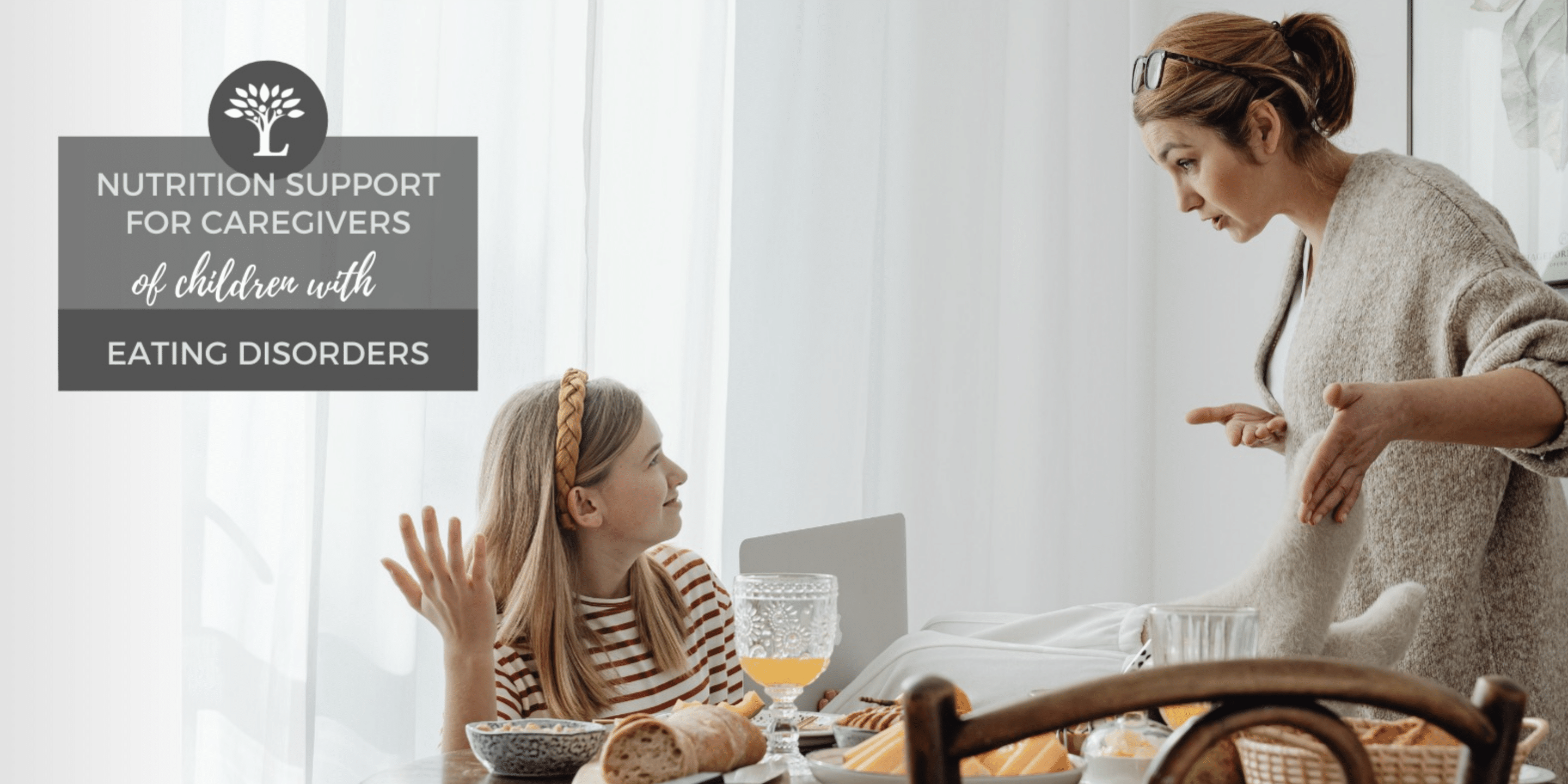
Join Our Facebook Group!
Our “Nutrition Support for Caregivers of Children with Eating Disorders” Facebook group provides encouragement, support and resources for all parents and caregivers of children with eating disorders.
You don’t have to do this on your own! Join the group today!
“…she worked with me and my needs.”
” Krista is a very kind and understanding person. She worked with me and my needs. We made a plan that best benefits my life and my recovery.”
“…exactly the practical steps we needed”
“Krista’s specific knowledge and experience with eating disorders helped us make a plan for meals & snacks, plus valuable guidance for the family on what to keep in the fridge. It was exactly the practical steps we needed to begin the recovery process when everything felt chaotic and scary.”
Virtual Programs

Click here to learn more
Road to Recovery Group Program
6-month curriculum based group program is designed to support individuals in eating disorder recovery through structured monthly modules, expert resources, and meaningful peer connection. It combines therapeutic guidance with real-life tools to help participants move from awareness to lasting freedom.
What Participants Gain:
- Greater awareness of disordered patterns and the tools to address them
- Confidence in challenging food fears and body image struggles
- Emotional regulation skills and coping strategies
- A deeper connection to their authentic self and long-term goals
- Practical experience with intuitive eating and mindful movement
- A strong, supportive community of others in recovery
- Resilience to setbacks and tools for sustainable progress
- A renewed sense of hope, purpose, and self-trust
Have you noticed any of the following in your child?
Preoccupied with food, weight, or shape
Limited or rigid with food choices
Emotionally distressed about their weight or shape
Weight loss or delayed growth
For girls: loss of menstrual cycle for more than 3 months
Fear of eating foods with unknown nutrition information or foods cooked by others
Avoiding social situations
Strange eating behaviors
Eating alone
Counting or restricting calories
Obsession with eating healthy
Over seasoning foods or using condiments that they hadn't as much in the past
Preoccupied with food, weight, or shape
Limited or rigid with food choices
Emotionally distressed about their weight or shape
Weight loss or delayed growth
For girls: loss of menstrual cycle for more than 3 months
Fear of eating foods with unknown nutrition information or foods cooked by others
Avoiding social situations
Strange eating behaviors
Eating alone
Counting or restricting calories
Obsession with eating healthy
Over seasoning foods or using condiments that they hadn't as much in the past
Learn more
Nine Truths About Eating Disorders
#1
Many people with eating disorders look healthy, yet may be extremely ill.
#2
Families are not to blame, and can be the patients’ and providers’ best allies in treatment.
#3
An eating disorder diagnosis is a health crisis that disrupts personal and family functioning.
#1
Many people with eating disorders look healthy, yet may be extremely ill.
#2
Families are not to blame, and can be the patients’ and providers’ best allies in treatment.
#3
An eating disorder diagnosis is a health crisis that disrupts personal and family functioning.
#4
Eating disorders are not choices, but serious biologically influenced illnesses.
#5
Eating disorders affect people of all genders, ages, races, ethnicities, body shapes and weights, sexual orientations, and socioeconomic statuses.
#6
Eating disorders carry an increased risk for both suicide and medical complications.
#7
Genes and environment play important roles in the development of eating disorders.
#8
Genes alone do not predict who will develop eating disorders.
#9
Full recovery from an eating disorder is possible. Early detection and intervention are important.
*Produced in collaboration with Dr. Cynthia Bulik, PhD, FAED, and the Academy for Eating Disorders, along with other major eating disorder organizations.